
Written summary
Olivia Fox Cabane · Day 2 of 30
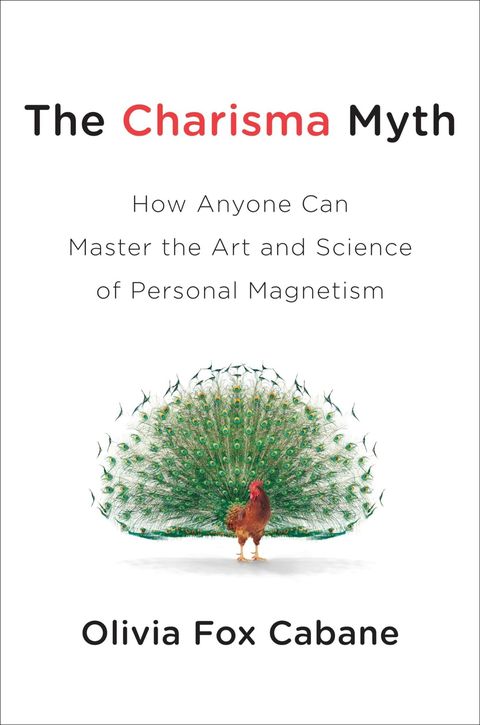
The Charisma Myth, by Olivia Fox Cabane, takes on a popular belief: that charisma is something you are born with, and you either have it or you don't. Cabane spent years coaching executives, and she says the research tells a different story. Charisma is not a personality. It is a set of behaviors, and behaviors can be learned. There is a catch, though. You can't simply copy the behaviors, because they come from what is going on inside you.
The book mixes practical exercises with memorable stories: Marilyn Monroe walking unnoticed through the New York subway in 1955, a young woman's dinners with two British prime ministers in the late 1800s, and the way people describe meeting Bill Clinton. Each one shows a piece of charisma that ordinary people can practice before an interview, a meeting or a first date.
This is an independent written summary of the main ideas, in our own words, based on the Road MBA episode. We're not affiliated with the author or publisher, and nothing replaces reading the book.
Cabane breaks charisma into presence, power and warmth. One story shows the difference. A young woman had dinner with William Gladstone, and a few nights later with his rival, Benjamin Disraeli. Asked what she thought, she said that after sitting next to Gladstone she thought he was the cleverest man in England, but after sitting next to Disraeli she thought she was the cleverest woman in England. Gladstone showed power. Disraeli made her feel seen.
Presence means you are not half here while your mind writes an email. People can always tell. Cabane says even a tiny delay in your reactions, a smile that comes half a second late, shows on your face, and the other person feels less important. Presence can be trained: bring your attention back to your body for a moment, your breath or the feeling in your toes. People who met Bill Clinton describe feeling like the only person in the room. That is presence.
Power is how much people believe you can affect the world around you, through money, knowledge, status, strength or influence. We read it fast, mostly through body language and how others react to you. Warmth is goodwill, and it answers one question: does this person want good things for me? Power without warmth feels cold, even arrogant. Warmth without power feels eager to please. Together, plus presence, they make charisma.
Cabane says body language is mostly controlled by your internal state, and you can't fully fake it. Anxiety leaks through a tight jaw, a tense voice or a flicker on your face, and others read it in a fraction of a second. Even physical discomfort matters: tight shoes, a cold room or a chair that hurts your back show on your face, and the other person thinks it's about them. So before an important meeting, fix the small things.
The mental obstacles are anxiety about what might happen, dissatisfaction from comparing yourself to others, self-criticism, and self-doubt, the feeling of being an impostor. Almost everyone has them, and Cabane says that is exactly the point.
With responsibility transfer, you imagine that something bigger is taking care of how things turn out, whether God, the universe or fate. You do your part and let go of the rest, and with less weight on you there is room to be present. Visualization works because your mind has trouble telling a vivid memory from something real. Before a big moment, relive a time you felt triumphant, with its sounds and feelings, and your posture and face follow. For warmth, Cabane suggests gratitude, goodwill and compassion: find three things you like about the person, imagine them as a kid, or silently wish them well while they speak.
You don't pick one forever. You choose the style that fits the moment and the person in front of you.
In a tense conversation, a cold room or unexpected criticism, start inside. Breathe, relax your shoulders, and lower your voice at the end of sentences instead of letting it rise like a question. Pause before answering something important, to show it landed. With a difficult person, rewrite the story: maybe they just got bad news. In a real crisis, people look for authority: stand still, speak slowly and tell them what happens next.
In 1955, Marilyn Monroe rode the subway in a plain coat with a photographer and a magazine editor, and nobody looked at her. Back on the street, she asked her friend, "Do you want to see her?" Within seconds a crowd formed. She didn't change her clothes or her face. She changed what was happening inside her, and her walk, smile and eyes followed.
The one idea to keep: charisma isn't something you have, it's something you switch on, starting from the inside. The Road MBA episode tells these stories in about ten minutes.
Your first day is free, no card. Then all 30 for $29, one time.