
Written summary
Patrick Lencioni · Day 19 of 30
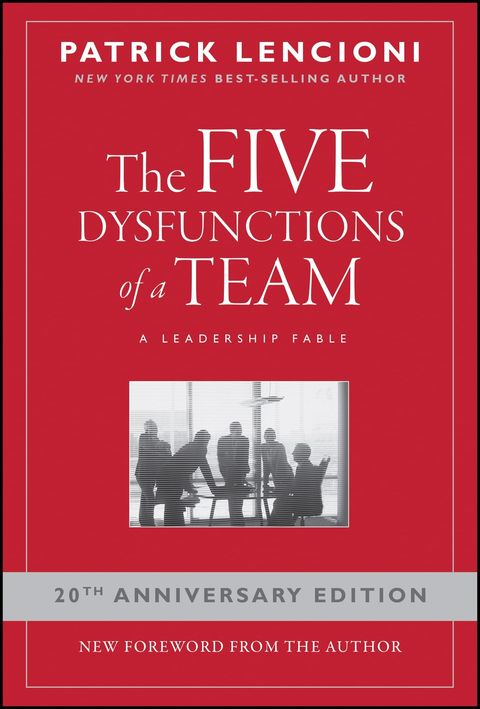
The Five Dysfunctions of a Team, by Patrick Lencioni, is a book about why so few leadership teams really work together, and what it takes to fix that. Lencioni is an American consultant and writer who works with leadership teams; before starting his own firm, he worked in the corporate world at companies like Oracle. The book came out in 2002, and according to his firm it has sold more than three million copies.
It is unusual for a business book. Most of it is a fable about a made-up Silicon Valley company, DecisionTech, and its new chief executive, Kathryn Petersen, and only at the end does Lencioni lay out his model directly. His central claim is that teamwork is rare not because it's complicated but because it's hard on people, and that five dysfunctions build on each other like a pyramid, each one making the next possible.
This is an independent written summary of the main ideas, in our own words, based on the Road MBA episode. We're not affiliated with the author or publisher, and nothing replaces reading the book.
At the base of the pyramid, trust doesn't mean believing a colleague will do good work. It means being able to be vulnerable in front of each other: to say I was wrong, I need help, I don't know, or your idea beats mine, without it being used against you. Without that trust, people spend their energy protecting themselves. Kathryn opens her first off-site with a simple exercise: each person shares where they grew up and a challenge from their youth. Hearing each other as people, not job titles, is the first crack in the wall.
Without trust, people avoid open debate. Lencioni calls this artificial harmony: people nod in the room, then complain in the hallway. Good decisions need real argument about ideas. He doesn't mean personal attacks, but passionate, honest debate about the issues that ends when the issue is settled. Kathryn pushes the team to go mining for conflict, digging up buried disagreements and putting them on the table.
If people never got to say what they really think, they nod but don't buy in. People don't need to get their way to commit; they need to feel heard. Most reasonable people can support a decision they argued against if their view was really considered. At the end of a meeting, the team says out loud exactly what was decided and what each person will tell their own people. Later, another company offers to buy DecisionTech for well above its worth. One by one, the executives turn it down, committed to the plan and to each other.
Once a team commits, someone has to call out a colleague whose behavior or results are hurting the plan. Most people hate doing that with peers they like, so standards slip. The breakthrough comes when peers, not just the boss, hold each other accountable. It feels awkward at first, but it builds trust instead of breaking it. A good team makes goals and standards public, so everyone can see who's doing what.
At the top of the pyramid, when people stop holding each other accountable, they put their own goals first: their department's budget, their career, their ego, their status. The team's collective results must come before any one member's success. DecisionTech's executives agree on a shared scoreboard, a short list that defines winning for the whole company, like revenue and customer satisfaction, and review it together often.
Most executives feel loyal to the department they run. Lencioni argues that a leader's first team must be the peers at the top, not the people who report to them. Otherwise the leadership group is just a set of rival departments at the same table.
When the talented head of marketing refuses to work with the others, Kathryn has a calm but direct conversation, and the executive leaves. Kathryn tells the shaken team about a mistake from her own career: promoting a brilliant but toxic analyst, which damaged the whole department. Another leader chooses on his own to step back and report to a colleague, because it's better for the team.
Coaches in American professional football have used the book's lessons with their teams. But some researchers point out that the model is a consultant's experience told as fiction, not the result of studies, and that the surest way to build trust is often to do real work together. It works best as a clear map for team conversations.
DecisionTech had big investors, experienced executives and an admired business plan, yet within two years deadlines slipped, key people left and it fell behind competitors. Kathryn, fifty seven, with no tech background and a career in manufacturing, spent her first weeks walking the halls, sitting in on meetings and listening. She saw smart people who avoided each other, meetings where nobody disagreed out loud, and decisions nobody followed. Over a series of off-sites, the group learned to trust, to fight about ideas, to commit, to call each other out, and to watch one shared scoreboard. Same company, same money, same technology. Different team.
The one idea to keep: teamwork starts with trust that lets people be vulnerable. That trust allows honest conflict, conflict leads to real commitment, commitment makes accountability possible, and accountability keeps everyone focused on shared results.
Your first day is free, no card. Then all 30 for $29, one time.