
Written summary
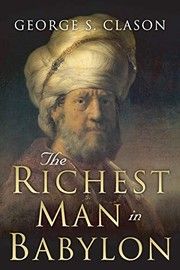
George S. Clason · Day 21 of 30
The Richest Man in Babylon, by George S. Clason, is a book of short parables about money, set in ancient Babylon. Clason was born in Missouri in 1874, served in the army in the Spanish American War, and started a map company in Denver that published a road atlas of the United States and Canada. He also wrote pamphlets about thrift set in Babylon, which banks and insurance companies handed out, and in 1926 they were gathered into this book. It is still in print a century later, with more than two million copies sold.
Its central idea is a phrase Clason is credited with: pay yourself first. Babylon is only the costume; the lessons are about your paycheck. The stories follow Arkad, a scribe who became the richest man in the city, his teacher Algamish, his son Nomasir, and Dabasir, a camel trader buried in debt. It is a hundred year old book of parables, and some of it shows its age. It won't tell anyone what to invest in today.
This is an independent written summary of the main ideas, in our own words, based on the Road MBA episode. We're not affiliated with the author or publisher, and nothing replaces reading the book.
Arkad was a scribe carving clay tablets, and food, clothes and offerings ate every coin he earned. When Algamish, a rich money lender, needed a law copied, Arkad offered to carve all night in exchange for the secret of wealth. Algamish told him he found the road to wealth when he decided that a part of all he earned was his to keep. Arkad thought everything he earned was his. Far from it, said Algamish: you pay the garment maker, the sandal maker, and for what you eat. You pay everyone but yourself.
The rule: keep at least one tenth of everything you earn, no matter how little. Arkad worked out that in ten years he'd have one year's income. Algamish said that was only half the truth: every gold piece saved is a worker for you, and every copper it earns is its child, which can earn too. Wealth grows like a tree from a tiny seed, and the sooner you plant it, the sooner it grows. When Arkad started, he was surprised to find he didn't feel any poorer.
After a year, Arkad had given all his savings to Azmur, a brick maker sailing to Tyre to buy rare jewels from the Phoenicians. The jewels were worthless bits of glass. Algamish asked why he would trust a brick maker about jewels. Advice is free, he said, but take only the advice that's worth having.
The second year, Arkad lent his savings to a shield maker who paid him every few months. Then he spent the payments on feasts, fine wine and a new scarlet tunic. Algamish laughed: you're eating the children of your savings, so how can they work for you? Only later did Arkad let his earnings earn more. Algamish summed it up: live on less than you earn, take advice from people who've done it, and make your money work for you.
Arkad sends his son Nomasir off for ten years with a bag of gold and a tablet of five laws. Nomasir loses the gold fast, first on a horse race rigged from the start, then on a shop a partner runs into the ground. Only when broke does he read the tablet. In plain words:
Dabasir, a camel trader, ran from his debts and ended up a slave. After escaping and coming home, he makes a plan with a money lender: one tenth he keeps, seven tenths for living, and two tenths to the people he owes, split fairly, every month, until it's all paid. His line: where the determination is, the way can be found.
Two old school friends of Arkad, the chariot builder Bansir and the musician Kobbi, had worked hard all their lives and still had empty purses. After hearing his story, a friend says he was lucky that Algamish made him his heir. Arkad answers that he was lucky only in that he wanted to prosper before he ever met him: for four years he kept one tenth of everything he earned. Would you call a fisherman lucky when he's studied the fish for years? Opportunity wastes no time with those who are unprepared. It isn't about willpower, but a small promise you keep every time you get paid.
The one idea to keep: a part of all you earn is yours to keep, so pay yourself first, before anyone else gets paid.
Your first day is free, no card. Then all 30 for $29, one time.